How to Write Telugu Blog Posts That Rank on Google
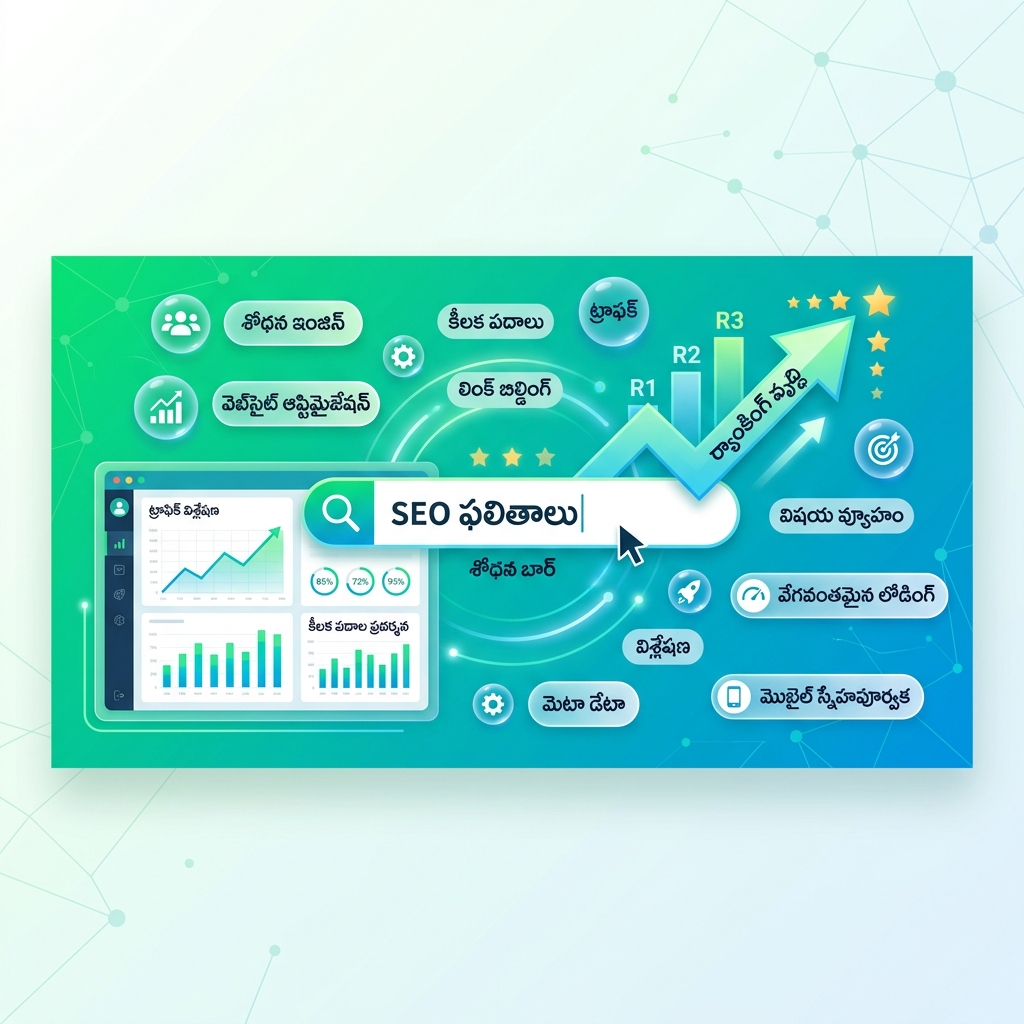
Google processes billions of searches every day, and an increasing portion of those searches in India are in regional languages. Telugu, with over 82 million native speakers, is one of the most searched Indian languages after Hindi. Yet most Telugu bloggers struggle to rank their content because they apply English SEO strategies that do not account for the unique characteristics of Telugu language search.
In this comprehensive guide, we will cover everything you need to know about optimizing Telugu blog content for Google — from keyword research in Telugu script to technical on-page factors that most Telugu blogs get wrong.
Understanding Telugu Search Behavior
The first step to ranking Telugu content is understanding how Telugu users actually search on Google. Unlike English-language searches, Telugu queries exhibit several distinct patterns:
- Mixed script queries: Many Telugu users search using a mix of Telugu script and transliterated English (Latin script). For example, a user looking for Telugu recipes might search "తెలుగు వంటకాలు" (Telugu script) or "telugu vantakalu" (transliterated). Your content should target both versions.
- Voice search dominance: A significant percentage of Telugu Google searches come through voice input, particularly on mobile devices. Voice searches tend to be longer and more conversational. Optimizing for natural Telugu phrases rather than short keywords is essential.
- Question-based queries: Telugu users frequently search in question format: "ఎలా చేయాలి" (how to do), "ఏమిటి" (what is), "ఎందుకు" (why). Structuring your content to directly answer these questions improves your chances of appearing in featured snippets.
Keyword Research for Telugu Content
Keyword research in Telugu requires a different approach than English because mainstream SEO tools have limited Telugu language support. Here is a practical workflow:
Step 1: Use Google Autocomplete
Type your topic in Telugu into Google and observe the autocomplete suggestions. These suggestions are based on actual user searches and represent high-volume keywords. For example, typing "తెలుగులో " (in Telugu) will reveal what users are searching for in Telugu. Screenshot these suggestions — they are your primary keyword list.
Step 2: Check "People Also Ask" in Telugu
When you search a Telugu query on Google, look for the "People Also Ask" section. These questions reveal related search intent in Telugu and provide direct content ideas for secondary articles or FAQ sections within your post.
Step 3: Google Trends for Telugu
Google Trends supports Telugu as a language filter. Set your region to India and language to Telugu to see trending topics and compare keyword popularity. This is especially useful for time-sensitive content like festivals, elections, or sporting events.
Step 4: Competitor Analysis
Search your target Telugu keyword on Google and analyze the top 5 results. What topics do they cover? How long are their articles? What questions do they answer? Your goal is to create content that is measurably better — more comprehensive, better structured, and more current.
On-Page SEO for Telugu Blog Posts
Technical on-page optimization for Telugu content requires attention to several factors that are unique to non-Latin script content:
Title Tags in Telugu
Your page title should contain your primary Telugu keyword. Google fully supports Telugu script in title tags and displays them correctly in search results. A well-optimized Telugu title might be: "ఇంట్లో చేయగలిగే 10 సులభమైన తెలుగు వంటకాలు | AksharaTool". Keep titles under 60 characters — but note that Telugu characters often have wider display widths than English, so aim for 50–55 Telugu characters to avoid truncation.
Meta Description in Telugu
Write your meta description entirely in Telugu, incorporating your secondary keywords naturally. This is the snippet users see in search results, and a well-written Telugu description significantly improves click-through rates compared to English descriptions targeting Telugu-speaking users.
URL Structure
While Telugu script is technically valid in URLs, we recommend using transliterated English for URL slugs (e.g., /telugu-vantakalu instead of /తెలుగు-వంటకాలు). This avoids encoding issues, makes URLs shareable, and is the approach used by all major Telugu news websites.
Heading Hierarchy (H1–H3)
Structure your Telugu content with clear heading hierarchy. Use one H1 (your main title in Telugu), multiple H2 headings for major sections, and H3 headings for sub-topics. Google uses heading structure to understand content organization, and this is especially important for Telugu content where Google's natural language processing may rely more heavily on structural cues.
Content Quality Standards for AdSense and Ranking
Beyond SEO technicalities, the quality and depth of your Telugu content is the most important ranking factor. Google's quality guidelines apply equally to Telugu content:
- Minimum word count: Aim for at least 800–1200 words per blog post. Telugu typically requires fewer characters than English to convey the same meaning, but Google still evaluates content depth. Longer, comprehensive articles consistently outrank thin content.
- Original content: Never translate or copy content from existing English or Telugu sources. Google's duplicate content detection works across languages. Write original perspectives and insights based on your expertise.
- E-E-A-T signals: Demonstrate Experience, Expertise, Authority, and Trust. Include author information, cite sources, provide practical examples, and show genuine knowledge of your topic.
- Regular publishing: Consistency matters. Publishing 2–4 quality Telugu articles per month is more effective than publishing 20 thin articles in one week.
Technical SEO Essentials
- Character encoding: Your HTML must declare UTF-8 encoding (
<meta charset="UTF-8">) for Telugu to display correctly. This is the single most common technical error on Telugu websites. - Hreflang tags: If you have content in both English and Telugu, use hreflang tags to tell Google which version to show in each region.
- Mobile optimization: Over 90% of Telugu internet users browse on mobile. Your site must be fully responsive with fast load times. Test with Google PageSpeed Insights.
- Sitemap: Submit a complete XML sitemap to Google Search Console that includes all your Telugu content pages.
Internal Linking Strategy for Telugu Blogs
Internal links are crucial for SEO. Link your Telugu blog posts to each other and to your tool pages using relevant Telugu anchor text. For example, a blog post about Telugu fonts should link to your Unicode Converter tool with anchor text like "తెలుగు యూనికోడ్ కన్వర్టర్". This helps Google understand your site's topical authority and improves crawlability.
Check your Telugu content word count and readability
Open Character Counter →